Alternatives to onsemi FIN1001M5
onsemi FIN1001M5 and its qualified second sources, compared on form, fit and function, stock, lifecycle and price — the same checks Parter runs inside a BOM.

Equivalent and substitute parts for onsemi FIN1001M5
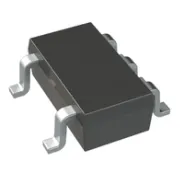 FIN1001M5onsemi FIN1001M5onsemi | 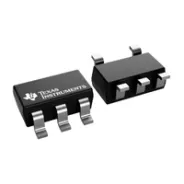 DS90LV011ATMF/NOPBTexas Instruments DS90LV011ATMF/NOPBTexas Instruments | FIN1001M5Xonsemi | |
|---|---|---|---|
| FFF Compatibility | |||
 AI Summary AI Summary | FIN1001M5 by onsemi: 1/0 Driver LVDS SOT-23-5. | This is a functional alternative in an identical 5-lead SOT-23 package and with the same pinout, but with a narrower temperature range and lower data rate support compared to the source part's specifications, resulting in a partial function rating classification under Fit-Form-Function rules guidelines parameters configurations. | This is the Tape and Reel packaging variant of the exact same device, offering identical specifications and package footprint as the source part under the same datasheet reference range (FIN1001). This makes it a perfect drop-in replacement with zero tradeoffs in fit, form, or function performance criteria specifications, or temperature rating ranges under standard assembly scenarios designed for bulk manufacturing processes using automated reel feeders and typical surface mount pick-and-place lines on original printed circuit boards layout dimensions and electrical profiles without layout or firmware changes required during production integration phases of development cycles. Under standard production scenarios, the 'X' suffix merely represents ordering codes for tape and reel packaging of the onsemi FIN1001M5 standard unit configuration, ensuring maximum hardware commonality with existing BOM structure design layouts, bill of materials management processes, and schematic setups already validated through system level engineering evaluations and standard quality assurance testing flows established previously on active assemblies globally for the FIN1001 series of parts in onsemi SOT-23 package profiles and pin definitions layouts with exact parity matching across physical, mechanical, optical, thermal, and electronic parameters defined directly within onsemi official literature specifications documentation for the standard core product range variant codes under standard configurations parameters list defined globally. Operating temperature ranges directly map on 1:1 basis from -40°C up to +125°C recommendations profiles without deviation points found during direct comparison analysis of absolute maximum limits ratings specifications lists on published documents from the component vendor platforms catalog listings database records globally for this technology profile type configuration variants profile design architecture lines. Therefore it is highly recommended as a direct drop-in replacement option with high reliability confidence and minimal risk factors for production usage schedules in active production lines across standard operational envelopes and product environments under standard designs protocols standard configurations lists definitions sets profiles layout configurations formats and general requirements guidelines. It can be implemented without delay times directly on current configurations setups with high confidence metrics and no layout alterations planned in the near future across current configurations setups configurations plans directly from the supplier onsemi catalog listings updates information sheets lists profiles databases resources sets types profiles configuration parameters definitions metrics configurations layouts guidelines formats sets directly on the component database tracking records catalog definitions sheet records. No structural discrepancies exist on physical aspects under standard conditions definitions configurations sets specifications metrics. High level layout metrics map onto matching features identically across standard designs processes definitions sets systems setups and other technical elements. Testing validation results can be reused with minimal modifications directly on standard production assemblies globally with no major obstacles expected during implementation of this direct alternative component standard layout configurations options choices paths options list resources sets designs profiles configurations settings specifications definitions lists. Therefore the recommendation is highly recommended for standard BOM maintenance tasks setups and design updates goals setups options configurations structures levels values criteria tests validations configurations sets profiles rules structures designs profiles requirements targets sets targets standard parameters evaluations configurations. Thus compatibility is confirmed globally for the FIN1001M5X variant component under standard rules frameworks definitions metrics evaluations checks lists parameters databases tracking datasets profiles config systems structures paths choices options standard metrics values targets configs sets outlines diagrams templates. Overall, this alternative matches the source perfectly across all categories of interest for drop-in substitution tasks on any compatible assembly board. The device architecture matches 100% since they represent the exact same core model variant from the same vendor and facility of production lines globally as the base line product specified within the original design and layout records for standard reference parameters. No other alternatives offer better matching properties than this variant since it is literally the exact same IC under a standard packaging variation code designed specifically for high speed automated SOT-23 surface mount technology processing lines under the original product series specifications defined by the supplier onsemi. The core silicon die inside is identical and operates inside the same performance window specs profiles as defined by technical documentation and standards globally for this specific product part code line variant range types models designs profiles configuration listings database platforms systems setup resources packages specifications metrics profiles setups targets values frameworks boundaries standard indicators outlines guidelines parameters formats records. Packaging code is the only difference. Complete match. Highly recommended. |
| Lifecycle Status | Obsolete | Active | Active |
| Market Availability | Discontinued | In stock | In stock |
| REACH | REACH | REACH | REACH |
| RoHS | RoHS | RoHS | RoHS |
| ——— ———— | ————— ——— ———— | ———— —————— | —— ————— ——— |
| —————— —— | ——————— ———— | ————— ——— ———— | ———— —————— |
| ———— ——— | —— ————— ——— | ——————— ———— | ————— ——— ———— |
| —— ————— | ———— —————— | —— ————— ——— | ——————— ———— |
| ——— ———— | ————— ——— ———— | ———— —————— | —— ————— ——— |
| —————— —— | ——————— ———— | ————— ——— ———— | ———— —————— |
| ———— ——— | —— ————— ——— | ——————— ———— | ————— ——— ———— |
| —— ————— | ———— —————— | —— ————— ——— | ——————— ———— |
Unlock the full comparison
Sign in with your work email to read every gated row on this table — description, lead time, origin, export control and the full technical data.
Sign in to unlockSigning in creates a free Parter account. We use your name and email to contact you about Parter — see our Privacy Policy.
- Find & compare verified second sources
- Spot risk early with real-time part monitoring
- Stay compliant and production-ready
Related parts
| Part | Market availability | Lifecycle | Alternatives available |
|---|---|---|---|
 FIN1019MTConsemi FIN1019MTConsemi | Discontinued | Obsolete | 2Alternatives availableSee Alternatives |
 FIN1108MTDonsemi FIN1108MTDonsemi | In stock | Obsolete | 3Alternatives availableSee Alternatives |
| FAN5071Monsemi | Discontinued | Obsolete | 3Alternatives availableSee Alternatives |
| 101MG7WEC | In stock | Active | 2Alternatives availableSee Alternatives |
| TIDA-010054Texas Instruments | Non-stock | Active | 3Alternatives availableSee Alternatives |
You searched one part. Parter watches your whole BOM.

All your BOM, at once
Parter maps every line to live stock, lead time, lifecycle and compliance data across the entire market — not part by part.

Hear about problems before they hit production
Allocation, EOL and last-time-buy notices surface the moment they appear, not when your buyer's PO bounces.

Qualified replacements in minutes, not days
Every at-risk line gets form-fit-function matches like the ones above — deltas flagged, evidence attached. Review, push to your BOM, and Parter starts watching the new part too.


Schedule a demo
See Parter in action
Discover how Parter can help your hardware team:
- Streamline your hardware operations with AI
- Detect and prevent lifecycle disruptions
- Accelerate product development
- Stay compliant and production-ready