Alternatives to STMicroelectronics BUX10
STMicroelectronics BUX10 and its qualified second sources, compared on form/fit/function, stock, lifecycle and price — the same checks Parter runs inside a BOM.

Equivalent and substitute parts for STMicroelectronics BUX10
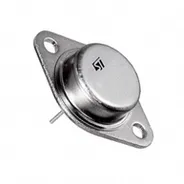 BUX10STMicroelectronics BUX10STMicroelectronics | MJ15003Gonsemi | 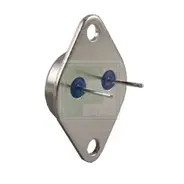 MJ15024Gonsemi MJ15024Gonsemi | +3more | |
|---|---|---|---|---|
| FFF Compatibility | Same physical TO-204AA (TO-3) chassis mount package with exact same pinout (Pin 1: Base, Pin 2: Emitter, Case: Collector).Standard metal can TO-3 case dimensions match the original footprint precisely.The maximum collector current is slightly lower (20 A vs 25 A) and the transition frequency is lower (2 MHz vs 8 MHz). | Shares the identical TO-3 metal can footprint with Pin 1 as Base, Pin 2 as Emitter, and Case as Collector.Matches standard TO-204AA / TO-3 dimensions.Maximum collector current is 16 A vs the original 25 A, and transition frequency is 4 MHz vs 8 MHz. | ||
 AI Summary AI Summary | BUX10 by STMicroelectronics: Bipolar (BJT) Transistor NPN 125 V 25 A 8MHz 150 W Chassis Mount TO-3. | This active power NPN transistor is the leading industry replacement for the obsolete BUX10, offering a matching TO-3 package with excellent thermal performance. It safely exceeds the breakdown voltage and power limits of the original, but carries a slightly lower collector current rating of 20 A.
| With a massive 250 V breakdown voltage rating, the MJ15024G provides a substantial safety margin for voltage spikes. It is an excellent fit for high-voltage linear applications, though collector current is limited to 16 A.
| |
| Lifecycle Status | Obsolete | Active | Active | |
| Market Availability | Discontinued | In stock | In stock | |
| REACH | REACH | Unknown | REACH | |
| RoHS | RoHS | RoHS | RoHS | |
| ——— ———— | ————— ——— ———— | ———— —————— | —— ————— ——— | |
| —————— —— | ——————— ———— | ————— ——— ———— | ———— —————— | |
| ———— ——— | —— ————— ——— | ——————— ———— | ————— ——— ———— | |
| —— ————— | ———— —————— | —— ————— ——— | ——————— ———— | |
| ——— ———— | ————— ——— ———— | ———— —————— | —— ————— ——— | |
| —————— —— | ——————— ———— | ————— ——— ———— | ———— —————— | |
| ———— ——— | —— ————— ——— | ——————— ———— | ————— ——— ———— | |
| —— ————— | ———— —————— | —— ————— ——— | ——————— ———— |
Unlock all 5 alternatives
Sign in with your work email to read every gated row on this table — description, lead time, origin, export control and the full technical data.
Sign in to unlockSigning in creates a free Parter account. We use your name and email to contact you about Parter — see our Privacy Policy.
- Find & compare verified second sources
- Spot risk early with real-time part monitoring
- Stay compliant and production-ready
Related parts
| Part | Market availability | Lifecycle | Alternatives available |
|---|---|---|---|
 BUT30VSTMicroelectronics BUT30VSTMicroelectronics | Non-stock | Obsolete | 3Alternatives availableSee Alternatives |
You searched one part. Parter watches your whole BOM.

All your BOM, at once
Parter maps every line to live stock, lead time, lifecycle and compliance data across the entire market — not part by part.

Hear about problems before they hit production
Allocation, EOL and last-time-buy notices surface the moment they appear, not when your buyer's PO bounces.

Qualified replacements in minutes, not days
Every at-risk line gets form-fit-function matches like the ones above — deltas flagged, evidence attached. Review, push to your BOM, and Parter starts watching the new part too.
Frequently asked questions
Yes. The STMicroelectronics BUX10 is marked obsolete, so the manufacturer has discontinued it and any remaining supply is limited to distributor stock. The qualified second sources on this page are active parts you can design in today.
The closest qualified second sources for the STMicroelectronics BUX10 are the MJ15003G (onsemi) and the MJ15024G (onsemi), out of 5 matched alternatives in total. Each is compared against the original on fit, form and function in the table above.
Not always. The alternatives to the BUX10 are matched on function but can differ in package, pinout or a key parameter, so review the fit/form/function notes in the table and the datasheet before designing one in.
The BUX10 (STMicroelectronics) is a part in the Transistors category. This page lists qualified, cross-referenced replacements for it with a side-by-side comparison.


Schedule a demo
See Parter in action
Discover how Parter can help your hardware team:
- Streamline your hardware operations with AI
- Detect and prevent lifecycle disruptions
- Accelerate product development
- Stay compliant and production-ready